


Swimming Pool Ladder Mat: Essential Safety Guide
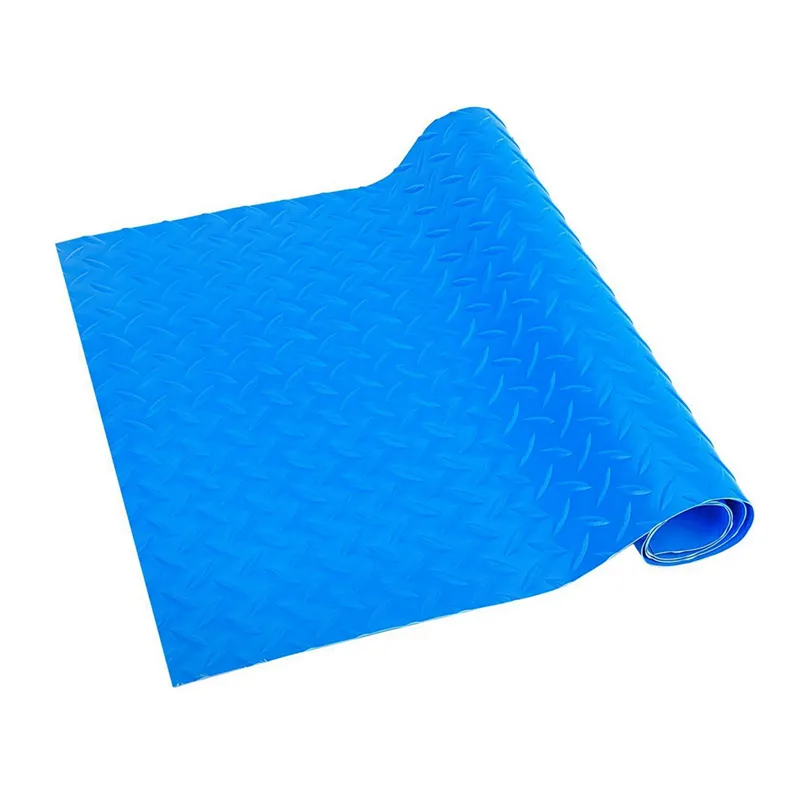
Have you ever slipped getting out of your pool? Maybe you've watched someone else take a tumble on those wet ladder steps?
Pool accidents happen more often than you think. Up to 100,000 people slip and fall near pools every year, and many of these accidents happen right at the ladder. But here's something that can help: a swimming pool ladder mat creates the grip you need to stay safe.
We know choosing pool safety equipment feels overwhelming. With so many options and safety concerns, where do you start? This guide will show you exactly why you need a ladder mat and how to pick the perfect one for your pool.
Why You Need a Pool Ladder Mat
A pool ladder mat isn't just nice to have - it's essential for safety. Pool ladders get slippery from water, sunscreen, and algae buildup.
Common ladder accidents include:
Slipping while climbing out
Losing footing on wet steps
Falls that cause broken bones
Cuts from sharp ladder edges
The right mat gives you the grip you need when you need it most. If you're working through a checklist for the safest pool setup possible, a ladder mat is one of those small, inexpensive additions that punches well above its weight — it addresses one of the most common accident points around any pool, right alongside fencing, alarms, and proper supervision.
How Swimming Pool Accidents Happen
Understanding accidents helps you prevent them. The U.S. Consumer Product Safety Commission states that approximately 4,523 individuals were treated in emergency rooms for injuries related to pool equipment such as pool ladders in 2017 alone.
Most ladder accidents happen because:
Wet surfaces lose all grip
People rush getting in and out
Children don't have proper coordination
Older adults lose balance easily
A ladder mat pool setup stops these problems before they start.
Types of Pool Ladder Mats
Rubber Ladder Mats
Rubber mats offer excellent grip and durability. They handle pool chemicals and UV rays without breaking down.
Benefits of rubber mats:
Strong grip when wet
Chemical resistant
Long-lasting material
Easy to clean
Best for:
Heavy use pools
Commercial settings
Families with children
Foam Ladder Mats
Foam mats provide cushioning along with grip. They're softer on feet and knees.
Foam mat advantages:
Comfortable on bare feet
Extra cushioning for falls
Lightweight and easy to move
Good for elderly users
Considerations:
May wear out faster
Can absorb more water
Need more frequent cleaning
Textured Plastic Mats
Plastic mats with textured surfaces offer good grip at lower cost.
Plastic mat features:
Affordable option
Easy maintenance
Lightweight design
Multiple color choices
Limitations:
Less durable than rubber
Can get hot in sun
May crack over time
How to Choose the Right Swimming Pool Ladder Mat
Step 1: Measure Your Ladder
Start by measuring your ladder steps exactly.
Measurements you need:
Step width
Step depth
Number of steps
Distance between steps
Pro tip: Add 1 inch to each measurement for proper coverage.
Step 2: Consider Your Pool Usage
Think about who uses your pool and how often.
High-traffic pools need:
Heavy-duty rubber mats
Thicker materials
Commercial-grade options
Easy replacement parts
Low-traffic pools can use:
Standard foam mats
Budget-friendly options
Lighter materials
Decorative designs
Step 3: Check Chemical Resistance
Pool chemicals can destroy the wrong mat quickly.
Look for mats that resist:
Chlorine damage
Bromine exposure
pH level changes
UV ray breakdown
Always check the manufacturer's chemical compatibility chart.
Step 4: Evaluate Drainage
Good mats let water drain through quickly.
Drainage features to look for:
Holes or slots in material
Raised edges for water flow
Non-slip backing that breathes
Quick-dry surfaces
Standing water under mats creates slip hazards.
Installation Guide for Pool Ladder Mats
Step 1: Clean Your Ladder Thoroughly
Remove all algae, sunscreen, and debris from ladder steps.
Cleaning supplies:
Pool brush
Algae remover
Degreasing cleaner
Fresh water for rinsing
Step 2: Dry the Surface Completely
Wet surfaces won't hold mats properly.
Drying tips:
Use towels to remove standing water
Let air dry for 30 minutes
Check for hidden moisture pockets
Ensure complete dryness
Step 3: Position the Mat Carefully
Center each mat on its step for maximum coverage.
Positioning guidelines:
Leave equal space on all sides
Align with step edges
Check for secure contact
Test stability before use
Step 4: Secure the Mat
Follow manufacturer instructions for your specific mat type.
Common securing methods:
Adhesive backing
Suction cups
Tie-down straps
Weight-down edges
Step 4: Secure the Mat
Always test mats before letting others use them.
Safety test checklist:
Check for secure attachment
Test grip with wet feet
Verify no sliding or movement
Ensure proper drainage
Maintenance Tips for Ladder Mats
Daily Cleaning
Quick daily cleaning keeps mats safe and effective.
Daily routine:
Rinse with pool water
Remove visible debris
Check for secure attachment
Look for wear spots
Weekly Deep Cleaning
Thorough weekly cleaning prevents buildup.
Deep cleaning steps:
Remove mats from ladder
Scrub with pool brush
Use mild soap if needed
Rinse thoroughly
Let dry before reinstalling
Monthly Inspections
Regular inspections catch problems early.
Inspection checklist:
Check for cracks or tears
Test grip surface condition
Examine attachment points
Look for chemical damage
Seasonal Maintenance
Different seasons require different care.
Spring setup:
Inspect after winter storage
Replace worn mats
Check chemical compatibility
Test all attachment points
Summer maintenance:
Monitor for UV damage
Increase cleaning frequency
Watch for heavy use wear
Replace as needed
Fall preparation:
Deep clean before storage
Dry completely
Store in cool, dry place
Note replacement needs
Safety Features to Look For
Non-Slip Surfaces
The surface texture makes all the difference.
Best surface types:
Deep grooves or ridges
Raised dot patterns
Waffle-style textures
Multi-directional grip
Secure Attachment Systems
Mats that move are dangerous mats.
Reliable attachment options:
Strong suction cups
Adhesive that won't fail
Mechanical fasteners
Weight-based systems
High-Visibility Colors
Bright colors help prevent accidents.
Safety color choices:
Bright yellow for visibility
Blue to match pool theme
White for heat reflection
Red for emergency marking
Rounded Edges
Sharp edges can cause cuts during falls.
Edge safety features:
Rounded corners
Smooth transitions
No sharp points
Soft material choices
Common Mistakes to Avoid
Using the Wrong Size
Mats that don't fit properly create new hazards.
Size problems:
Too small leaves exposed edges
Too large bunches and slides
Wrong thickness affects grip
Poor fit reduces effectiveness
Ignoring Chemical Compatibility
The wrong material dissolves in pool chemicals.
Chemical damage signs:
Cracking or splitting
Color changes
Texture deterioration
Reduced flexibility
Skipping Regular Cleaning
Dirty mats lose their grip and become slippery.
Cleaning neglect results:
Algae buildup
Slippery surfaces
Bacterial growth
Premature wear
Installing on Dirty Surfaces
Clean installation surfaces are essential for proper adhesion.
Surface prep requirements:
Remove all debris
Degrease thoroughly
Dry completely
Check for damage
Budget-Friendly Options
DIY Solutions
Simple DIY options work for some situations.
DIY materials:
Non-slip tape strips
Textured paint additives
Adhesive grip pads
Rubber matting cut to size
DIY limitations:
May not last as long
Limited grip options
Harder to clean
Less professional appearance
Bulk Purchase Savings
Buying multiple mats reduces per-unit cost.
Bulk buying tips:
Pool supply store discounts
End-of-season sales
Group purchases with neighbors
Online wholesale options
Maintenance Over Replacement
Proper care extends mat life significantly.
Life extension strategies:
Regular cleaning schedules
Proper storage methods
Gentle handling practices
Quick repair of small damage
Professional vs. DIY Installation
When to Hire Professionals
Some installations require expert help.
Professional installation for:
Permanent attachment systems
Large commercial pools
Complex ladder designs
Insurance requirements
DIY Installation Benefits
Most residential mats install easily.
DIY advantages:
Save installation costs
Learn your equipment
Immediate replacement ability
Customize to your needs
Replacement Timing
Signs You Need New Mats
Don't wait until mats fail completely.
Replacement indicators:
Annual replacement
Bi-annual for heavy use
As-needed basis
Bulk seasonal changes
Emergency Preparedness
First Aid Considerations
Even with mats, accidents can happen.
Pool area first aid kit:
Bandages for cuts
Ice packs for injuries
Emergency contact numbers
CPR instruction cards
Emergency Response
Know what to do if someone falls.
Emergency steps:
Assess injury severity
Call 911 if needed
Provide first aid
Document incident
Conclusion
Pool safety starts with the small things that make a big difference. A quality swimming pool ladder mat protects your family and friends from dangerous falls and injuries.
Remember to choose the right size, material, and grip pattern for your specific pool. Regular maintenance keeps mats effective, and proper installation ensures they stay in place when you need them most.
Don't wait until someone gets hurt to invest in safety. The right swimming pool ladder mat costs far less than a trip to the emergency room and gives you peace of mind every time someone uses your pool.

© 2026 | All Rights Reserved | Privacy Policy