


Best Swimming Pool Lights: Your Complete Guide to Safe Pool Lighting
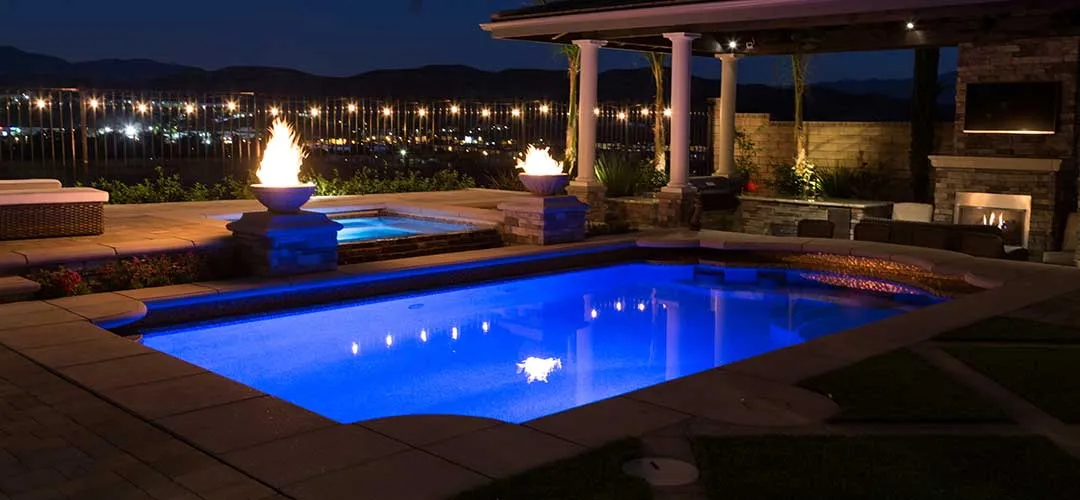
Nothing ruins a perfect pool party quite like watching everyone pack up when the sun goes down. You've spent thousands creating an amazing backyard oasis, but after dark? It might as well not exist.
This happens more often than you'd think. Pool lighting gets pushed to the bottom of the priority list during construction, leaving homeowners with beautiful pools they can't safely use in the evening.
The best swimming pool lights change everything. Proper lighting transforms your pool from a daytime-only feature into the heart of evening entertainment that everyone actually wants to use.
Here's what you need to know about choosing lights that are both gorgeous and safe.
Why Safety Trumps Pretty Colors
Sure, colored lights look amazing on social media. But safety has to come first when you're dealing with electricity and water.
Pool lighting contributes to pool safety by allowing swimmers to see the water better and also makes it easier to see what is going on around the pool.
Clear visibility prevents accidents. Good lighting lets everyone see the pool bottom, steps, and any obstacles that might cause injury.
Professional installation protects lives. The Consumer Product Safety Commission reports multiple pool electrical incidents each year. Most could have been prevented with proper installation.
Quality equipment lasts longer. Cheap lights fail when you need them most, often creating safety hazards in the process.
Why LED Technology Wins
LED pool lights aren't just trendy - they're actually much safer than older lighting options.
Lower voltage means lower risk. LED lights, usually at 12 volts, are safer than higher voltage options. Traditional 120-volt systems pose much greater shock risks if something goes wrong.
Heat isn't an issue. They also produce minimal heat, lowering the risk of burns or damage. Old halogen bulbs got hot enough to cause serious burns.
They last forever. The light efficiency of an ordinary LED light chip is 2-3 times that of a traditional halogen light chip, and top brands can be 6-7 times more efficient.
Energy bills drop significantly. Most LED pool lights use 80% less electricity than old-style bulbs.
Step 1: Pick LED Lights for Peace of Mind
LED technology offers the safest option available today.
Voltage makes the difference. The voltage of standard LED swimming pool lights is 12V or 24V, which is lower than the 36V safety voltage threshold.
Waterproofing actually works. IP68 rated underwater pool lights usually use multiple measures to prevent water from entering the light body.
Materials matter. The common materials of underwater lighting are stainless steel, plastic, glass, brass, and aluminum, and their water-proof ability is excellent.
Professional installation is non-negotiable. Certified electricians should always handle the installation process, as they possess the necessary skills and knowledge to adhere to safety regulations.
Quick setup and storage
Pools without deck space
Renters who can't install permanent fixtures
Kids who want to move the game around
Step 2: Choose Your Installation Style
You have three main options, each with distinct pros and cons.
Flush-Mounted Lights
These sit level with your pool wall.
Why people choose them:
They don't stick out so swimmers are less likely to touch or hit them accidentally
Clean, professional appearance
Even light distribution
The catch:
More expensive to install
Harder to replace when they eventually fail
Surface-Mounted Options
These attach to your existing pool wall.
Benefits:
Much cheaper to install
Easy to replace bulbs or fixtures
Work with any pool design
Downsides:
Stick out into the swimming area
More likely to get bumped or damaged
Above-Water Flood Lights
Mounted on poles or buildings to light the entire pool.
Good for:
Large pools that need lots of light
Situations where underwater work isn't practical
Easy maintenance access
Not great for:
Creating that magical underwater glow
Avoiding glare issues
Step 3: Figure Out How Many You Need
Don't guess on this. Too few lights create dark spots where accidents happen.
Standard rule: As a general rule, 700 to 800 lumens per square meter of surface area provides good visibility.
Small pools: 1-2 lights usually work fine Medium pools: 2-4 lights give even coverage
Large pools: 4+ lights prevent dangerous dark areas
Placement matters too. Underwater lights are installed at a depth of about 600mm below the water surface for best results.
Step 4: Don't Skip the Safety Features
This isn't where you save money. Safety features protect everyone who uses your pool.
GFCI protection is required by law in most places. These devices shut off power instantly if they detect electrical problems.
Quality transformers prevent problems. For a 12V connection, you will need a 12V transformer that's LED compatible or your lights will flicker and fail quickly.
Proper distances matter. 220V electrical installations must be at least 3.5 meters from the edge of the swimming pool in many areas.
Step 5: Consider the Fun Features
Modern pool lights offer features that seemed impossible just a few years ago.
Color changing adds excitement:
RGB LEDs cycle through dozens of colors
Remote control from your phone
Programmable light shows for parties
Smart home integration:
Voice control through Alexa or Google
Automatic schedules
Sync with other outdoor lighting
If you're wondering how can I make my pool look expensive without a full renovation, lighting is one of the most affordable ways to get there — a well-placed set of color-changing LEDs can transform an ordinary pool into a resort-style feature after dark, often for a fraction of the cost of tile or deck upgrades.
Energy saving options:
Motion sensors for safety
Automatic timers
Dimming for different moods
Mistakes That Cost You Money
Learn from other people's expensive errors.
Buying the cheapest lights available. Underwater pool lights eventually fail. After about 30 years, the cord casing and lamp housing begin to corrode. Quality lights last much longer.
DIY electrical work. Never make repairs to the pool light cord, or splice an underwater light cord. This creates serious safety hazards.
Ignoring maintenance. Regular maintenance checks are also essential in preventing electrical hazards in the swimming pool area.
Wrong replacement parts. Always use the correct replacement bulb, and replace with a new lens gasket to maintain proper sealing.
Making Your Decision
Ready to light up your evenings? Focus on these key points.
Safety first, always. Only buy lights with proper certifications and proven underwater ratings.
Budget realistically. Quality LED pool lights cost $200-800 each, plus professional installation.
Think long-term. Higher upfront costs usually mean lower lifetime expenses and better performance.
Find experienced installers. Look for electricians who specialize in pool electrical work, not just general contractors.
Light Up Your Nights
The right lighting system completely changes how your family uses and enjoys your pool.
Measure your pool this weekend. Know exactly what you're working with before you start shopping.
Get quotes from several electricians. Prices vary significantly for the same work.
Don't wait for next summer. Good contractors book up fast during pool season.
Your backyard paradise is waiting. With the right best swimming pool lights, every evening becomes an opportunity for family fun and safe swimming.

© 2026 | All Rights Reserved | Privacy Policy