


What Type of Inground Pool Lasts the Longest? Understanding Pool Durability and Longevity
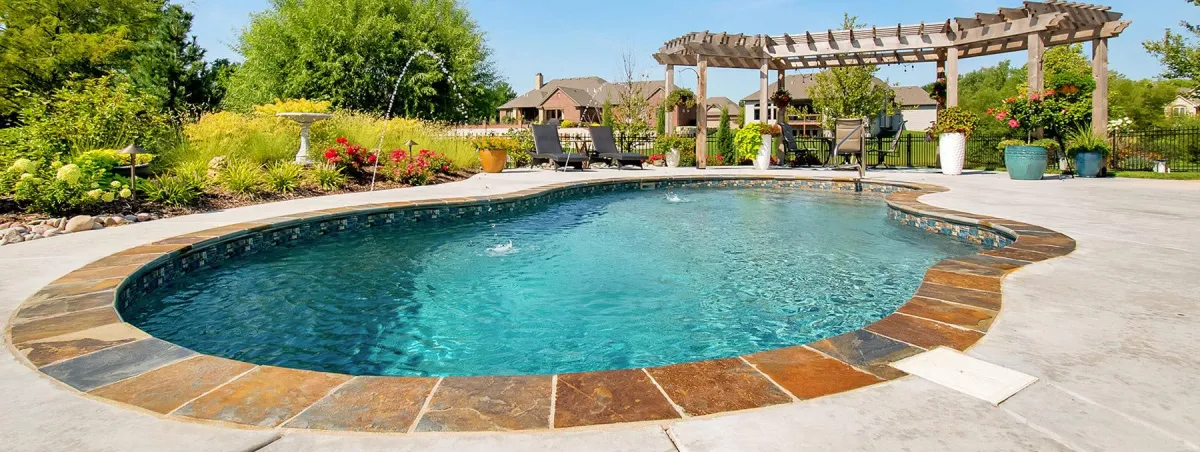
When families consider installing an inground pool, one of the most critical questions they face is about longevity. After all, an inground pool represents a significant investment in your property, much like adding a new wing to your home.
Understanding what type of inground pool lasts the longest requires examining not just the basic lifespan numbers, but the underlying factors that affect pool durability.Let's explore this topic comprehensively, considering both the technical aspects and practical implications for homeowners.
Think of your pool as a complex ecosystem - its longevity depends on the interplay between materials, environment, and maintenance practices.
The Science Behind Pool Construction
To truly understand pool longevity, we first need to examine the three main types of inground pools and their construction methods. Each material brings its own set of characteristics that directly influence its lifespan.
Understanding Concrete (Gunite) Pools
Concrete pools, specifically gunite pools, represent the traditional approach to pool construction. According to the Portland Cement Association, these pools can exceed a 50-year lifespan when properly maintained. This remarkable durability stems from the unique properties of concrete itself.
The construction process involves spraying a concrete mixture onto a carefully structured rebar framework. This method creates a solid, monolithic structure that becomes stronger over time as the concrete continues to cure. However, this strength comes with specific maintenance requirements that directly affect longevity.
The porous nature of concrete means that how long concrete inground pools last depends significantly on regular maintenance. Every 10-15 years, these pools require resurfacing to maintain their protective layer. Think of this like repainting your house - it's not just about aesthetics, but about protecting the underlying structure.
The Innovation of Fiberglass Pools
The question of how long do fiberglass inground pools last has become increasingly relevant as these pools gain popularity. Modern fiberglass pools represent a significant advancement in pool technology, with expected lifespans of 25-30 years, though many last considerably longer.
The River Pools and Spa has documented numerous cases where inground fiberglass pools have exceeded their expected lifespan, sometimes reaching 50 years with proper care. The secret lies in their construction - a single piece of molded fiberglass coated with a specially formulated gel coat that resists UV damage and chemical exposure.
Fiberglass pools excel in varying climate conditions because the material can flex slightly without cracking. This flexibility proves particularly valuable in regions with significant ground movement or freeze-thaw cycles. It's similar to how a reed bends in the wind while a rigid branch might break.
The Economics of Vinyl-Liner Pools
When discussing how long do inground pool liners last, we enter a different conversation about pool longevity. The underlying structure of a vinyl-liner pool can last 20-30 years, but the liner itself typically requires replacement every 5-9 years, according to Latham.
This shorter replacement cycle doesn't necessarily make vinyl-liner pools inferior - rather, they serve a different market need. Think of it like replacing the carpet in your home while the foundation remains solid. The initial cost advantage often makes these pools an attractive option for budget-conscious homeowners.
Environmental Factors and Pool Longevity
The relationship between environment and pool longevity deserves special attention. Your local climate plays a crucial role in determining how long do inground swimming pools last. Consider these key environmental factors:
Water Chemistry Management: Maintaining proper chemical balance protects all pool types from premature aging. The pH level, in particular, affects how materials interact with the water. Incorrect chemical balance can reduce a pool's lifespan by years.
Temperature Fluctuations: Regions with extreme temperature variations place additional stress on pool structures. Fiberglass pools generally handle these conditions best, while concrete pools may require additional maintenance to prevent cracking.
Soil Conditions: The stability of the ground beneath your pool significantly impacts its longevity. Areas with expansive soils or high water tables require special construction considerations to ensure maximum pool life.
It's worth noting that longevity and safety often go hand in hand — the safest pool is typically one that hasn't been weakened by structural stress or deterioration over time, since cracks, unstable surfaces, or compromised structural integrity can create hazards well before a pool reaches the end of its expected lifespan.
The Role of Professional Installation
The importance of professional installation cannot be overstated when considering pool longevity. Even the most durable materials can fail prematurely if installed incorrectly. Professional installers understand critical factors like:
Proper ground preparation and compaction Adequate drainage systems Appropriate plumbing installation Correct material handling and application
Think of pool installation like building a house - the foundation and initial construction quality determine the structure's ultimate lifespan.
Making an Informed Decision
When deciding which pool type will last longest for your specific situation, consider these key factors:
Local Climate Conditions: Your geographical location and typical weather patterns should influence your choice of pool type.
Maintenance Commitment: Consider how much time and resources you can dedicate to pool maintenance. Concrete pools generally require the most ongoing care, while fiberglass pools need the least.
Budget Considerations: Factor in both initial installation costs and long-term maintenance expenses when making your decision.
Intended Use: How you plan to use the pool can affect which material will provide the best longevity for your needs.
Remember that the pool that lasts the longest isn't necessarily the best choice for every situation. Your perfect pool should balance longevity with practical considerations like maintenance requirements and cost.
In conclusion, when examining what type of inground pool lasts the longest, we find that concrete pools typically offer the greatest potential lifespan, but require the most maintenance to achieve it. Fiberglass pools provide excellent durability with minimal maintenance, while vinyl-liner pools offer a more economical option with predictable maintenance cycles. The key to maximizing any pool's lifespan lies in proper installation, regular maintenance, and understanding how your local environment affects pool materials.
If you're in Macon, Nashville, Memphis
or Atlanta check our local service page for pricing.

© 2026 | All Rights Reserved | Privacy Policy