


What is a Good Depth for a Pool? A Complete Guide to Pool Depths
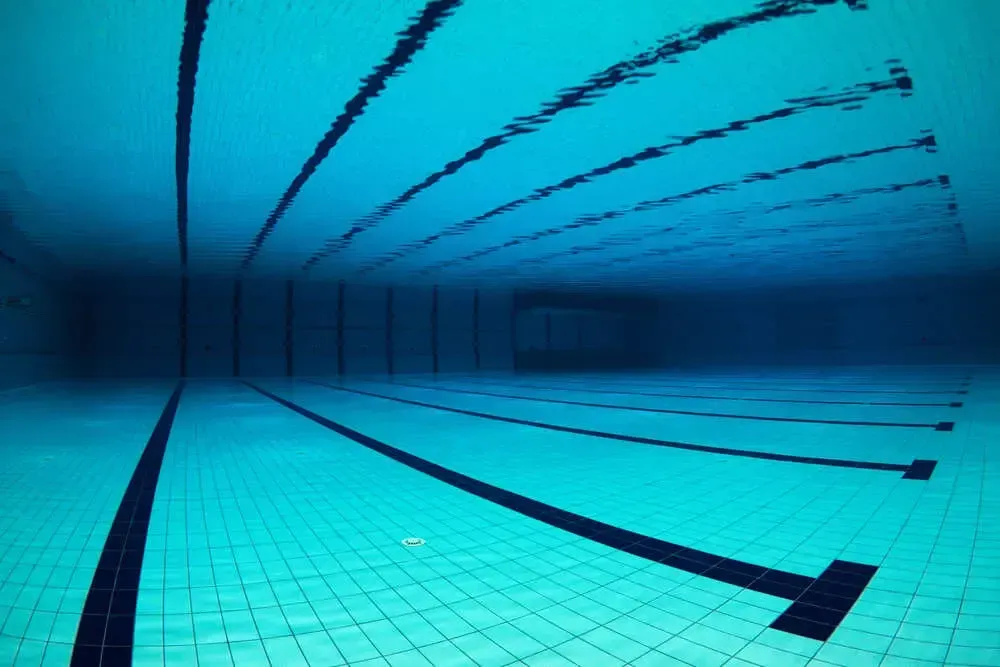
Are you dreaming of building the perfect swimming pool? One of the most critical questions to consider is what is a good depth for a pool.
Your pool's depth affects everything from safety to functionality, and we're here to help you make the right choice for your needs. Like choosing the perfect home, selecting the right pool depth requires careful consideration of your family's unique needs and future plans.
Understanding Pool Depth Basics
The International Swimming Pool and Spa Code emphasizes that pool depth is like the foundation of your aquatic investment. Before deciding what is the best depth for a swimming pool, consider how you'll primarily use it. Will it be mainly for family recreation, exercise, competitive swimming, or a combination of activities?
Depth and shape decisions often go hand in hand — the best pool shape for your yard can influence how practical certain depth configurations are. For example, a rectangular design accommodates a traditional shallow-to-deep gradient well, while a freeform or kidney-shaped pool may work better with a more uniform depth throughout, since gradual slopes are harder to incorporate into curved designs.
The depth of your pool influences not just the swimming experience, but also impacts safety, maintenance costs, energy efficiency, and even your property value. Let's explore each aspect in detail to help you make an informed decision.
Standard Pool Depths By Type
According to the New York State Department of Health, what is the average depth of a pool varies significantly based on intended use:
Recreational Pools
Entry: Zero to 3 feet for safe access and children's play
Shallow end: 3 to 4 feet for family enjoyment and water activities
Deep end: 5 to 6 feet for moderate swimming activities
Gradual slope transition between depths for safety
Multiple safety ledges at depth changes
Clear depth markers every 2 feet
Non-slip surfaces throughout all areas
Diving Pools
Entry area: 3 to 4 feet for safe access
Transition zone: 5 to 7 feet for proper slope
Deep end: 8 to 12 feet minimum for safe diving
Extended deep-end area meeting code requirements
Specific length requirements based on board height
Professional design consultation mandatory
Additional safety features and signage
Optimal Depths for Different Uses
The American Red Cross provides detailed guidance on what is the ideal pool depth for various activities:
Family Recreation
The ideal family pool combines safety with versatility:
Shallow end: 3 feet (perfect for young children and beginners)
Deep end: 5 feet (safe for most adults while maintaining control)
Beach entry option for universal accessibility
Wide shallow area for group activities
Multiple entry and exit points
Safety features at all depth transitions
Adequate space for pool games and activities
Competitive Swimming
Competition pools require specific depths for optimal performance:
Uniform depth: 4 to 5 feet for recreational racing
Professional racing depth: 6.5 feet minimum
Consistent water level maintenance systems
Standard lane marking requirements
Extended length for proper turns
Starting block accommodation areas
Professional timing system integration
Exercise and Therapy
Therapeutic pools focus on accessibility and functionality:
Consistent depth: 3.5 to 4.5 feet for optimal resistance
Non-slip surfaces throughout the entire pool
Generous entry points with ADA-compliant ramps
Wide steps for easy access
Multiple handrail installations
Temperature control systems
Exercise equipment mounting points
Technical Considerations
The International Building Code outlines crucial technical aspects:
Structural Requirements
Soil stability assessment and preparation
Water table impact analysis
Shell reinforcement specifications
Wall thickness requirements
Proper drainage system design
Equipment placement planning
Foundation preparation standards
Safety Features Integration
Strategic depth marker placement
Non-slip surface application methods
Underwater lighting requirements
Emergency equipment accessibility
Barrier system specifications
Access control mechanism placement
First aid station proximity
Maintenance and Operation
The Pool & Hot Tub Alliance emphasizes these depth-related factors:
Water Quality Management
Volume-based chemical calculations
Circulation pattern optimization
Chemical distribution systems
Regular testing protocols
pH level maintenance procedures
Sanitizer level monitoring
Water quality documentation
Equipment Selection
Appropriate filter sizing guidelines
Pump capacity calculations
Heater system specifications
Automated cleaning systems
Maintenance tool requirements
Testing equipment calibration
Safety equipment placement
Long-term Planning Considerations
Think about these future factors:
Adaptability
Family growth and aging considerations
Changing activity preferences
Physical ability adaptations
Updated safety requirements
New technology integration
Equipment upgrade possibilities
Renovation flexibility options
Property Value Impact
Local market preferences analysis
Insurance requirement compliance
Building code updates
Neighborhood standard alignment
Resale value optimization
Maintenance cost projections
Energy efficiency ratings
Conclusion
Understanding what is a good depth for a pool involves careful consideration of multiple factors. The perfect depth combines safety, functionality, and enjoyment while meeting your specific needs and future plans.
Work with qualified professionals to design a pool that provides years of safe, enjoyable use. Remember that proper depth selection affects not just immediate enjoyment but also long-term satisfaction, safety, and value of your investment.
By carefully considering all these factors, you'll create an aquatic environment that serves your family well for many years to come.
If you're in Honolulu, Las Vegas or San Diego check our local service page for pricing.

© 2026 | All Rights Reserved | Privacy Policy