


What Are the Health Hazards of Pool Chemicals for Swimmers? A Complete Guide
Have you ever jumped into a pool and come out with red, irritated eyes or itchy skin? You're not alone! Many swimmers experience these problems after swimming in treated pools.
Understanding what are the health hazards of pool chemicals for swimmers can help you protect yourself and your family while still enjoying those refreshing summer dips.
We know how important pool time is, especially during hot weather. You want to cool off and have fun without worrying about chemical exposure. The good news is that with the right knowledge, you can minimize health risks while maximizing your swimming enjoyment!
This guide will walk you through the common pool chemicals, their potential risks, and simple steps to protect yourself. Let's dive in and make your swimming experience safer!
Common Pool Chemicals and Their Hazards
Before we discuss protection, let's understand what we're dealing with:
Chlorine: The Most Common Culprit
Chlorine is the most widely used pool disinfectant. According to the Centers for Disease Control and Prevention (CDC), chlorine kills germs that cause recreational water illnesses.
However, it can also cause:
Eye irritation and redness
Skin dryness and itching
Respiratory issues like coughing or asthma symptoms
Hair discoloration or damage
The American College of Allergy, Asthma & Immunology reports that swimmers with asthma may experience worsened symptoms after exposure to chlorine.
Chloramines: The Smelly Problem
When chlorine mixes with sweat, urine, and other body fluids, it creates chloramines. These compounds cause:
The strong "pool smell" (actually a sign of too many chloramines, not too much chlorine)
Eye and respiratory irritation
Trigger asthma attacks in sensitive individuals
The Environmental Protection Agency (EPA) notes that indoor pools can have higher concentrations of chloramines due to poor ventilation.
Bromine: Chlorine's Cousin
Bromine is often used in spas and hot tubs. Its potential hazards include:
Skin rashes and irritation
Eye irritation
Respiratory problems in sensitive people
pH Adjusters: Acids and Bases
These chemicals keep pool water balanced but can cause problems:
Skin and eye burns (from direct contact with concentrated forms)
Respiratory irritation if inhaled
The Mayo Clinic warns that improper pH levels can make chlorine less effective at killing germs while increasing skin and eye irritation.
Signs You're Being Affected by Pool Chemicals
Watch for these common symptoms that indicate health hazards of pool chemicals for swimmers:
Immediate Symptoms
Red, stinging eyes
Itchy, dry skin
Coughing or wheezing
Strong chlorine smell on skin and hair
Rashes or hives
Long-Term Concerns
Frequent respiratory infections
Asthma development or worsening
Dental enamel erosion (from very acidic pools)
Hair damage or discoloration
The American Academy of Dermatology reports that prolonged exposure to pool chemicals can worsen conditions like eczema and psoriasis.
How to Protect Yourself from Pool Chemical Hazards
Follow these simple steps to reduce your exposure:
Before Swimming
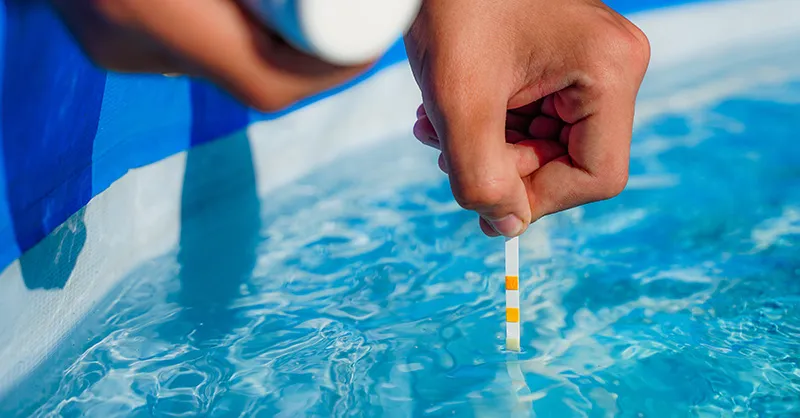
Check the pool's chemical levels if possible
Apply a barrier cream to protect skin
Wear swim goggles to protect eyes
Consider a swim cap to protect hair
The Swimming Pool and Spa Association recommends checking that pool water is clear and has no strong chemical smell before entering.
Before Swimming
Take regular breaks from the pool
Avoid swallowing pool water
Stay out of recently treated pools
If your eyes or skin start to burn, exit immediately
After Swimming
Shower immediately after swimming to remove chemicals
Use gentle, pH-balanced soap
Apply moisturizer to counteract dryness
Rinse hair thoroughly with clean water
The American Academy of Pediatrics emphasizes the importance of showering before and after swimming to reduce chemical exposure.
Special Considerations for Different Groups
For Children
Children are often more vulnerable to pool chemicals because:
Their skin is more sensitive
They may keep their eyes open underwater
They're more likely to swallow pool water
The National Capital Poison Center advises parents to watch children closely around pool chemicals and teach them not to swallow pool water.
For People with Asthma or Allergies
If you have respiratory conditions:
Consider swimming in outdoor pools where chemicals disperse better
Bring your rescue inhaler if you have asthma
Exit the pool immediately if you experience breathing difficulties
Consider saltwater pools as an alternative
For Competitive Swimmers
People who spend many hours in pools need extra protection:
Use specialized shampoo and conditioner for swimmers
Consider vitamin C spray to neutralize chlorine on skin
Monitor respiratory health with a healthcare provider
If you're logging serious pool time because will swimming make you lose weight has you motivated to swim regularly, it's worth pairing that fitness routine with the protective steps above — the same frequent chlorine exposure that comes with a consistent swim workout schedule is exactly what makes skin and hair protection most important for regular swimmers.
How to Identify a Well-Maintained Pool
A properly maintained pool minimizes chemical hazards. Look for:
Clear water (you can see the bottom
No strong chemical smell
No visible algae or debris
Well-maintained equipment around the pool
The Association of Pool & Spa Professionals states that a well-maintained pool should have minimal odor and not cause eye or skin irritation.
Natural Alternatives to Consider
If you're concerned about health hazards of pool chemicals for swimmers, consider these alternatives:
Saltwater pools: Use less chlorine but still contain some chemicals
Mineral systems: Reduce the amount of chlorine needed
UV and ozone systems: Supplement chemical sanitizers
Natural swimming pools: Use plants and biological filters instead of chemicals
Conclusion
Understanding what are the health hazards of pool chemicals for swimmers helps you make informed decisions about your swimming habits. While pool chemicals are necessary to keep swimming water safe from harmful bacteria, knowing how to protect yourself from their side effects is equally important.
By following the simple protective steps we've outlined, you can enjoy the many benefits of swimming while minimizing potential chemical risks. Remember to shower before and after swimming, wear protective gear like goggles, and pay attention to how your body responds to different pool environments.
We hope this guide helps you enjoy safer, more comfortable swimming experiences all season long!
If you're in San Antonio, Austin or Corpus Christi check our local service page for pricing.

© 2026 | All Rights Reserved | Privacy Policy