


How to Tell If a Pool Is Clean: Simple Signs of a Safe Swim
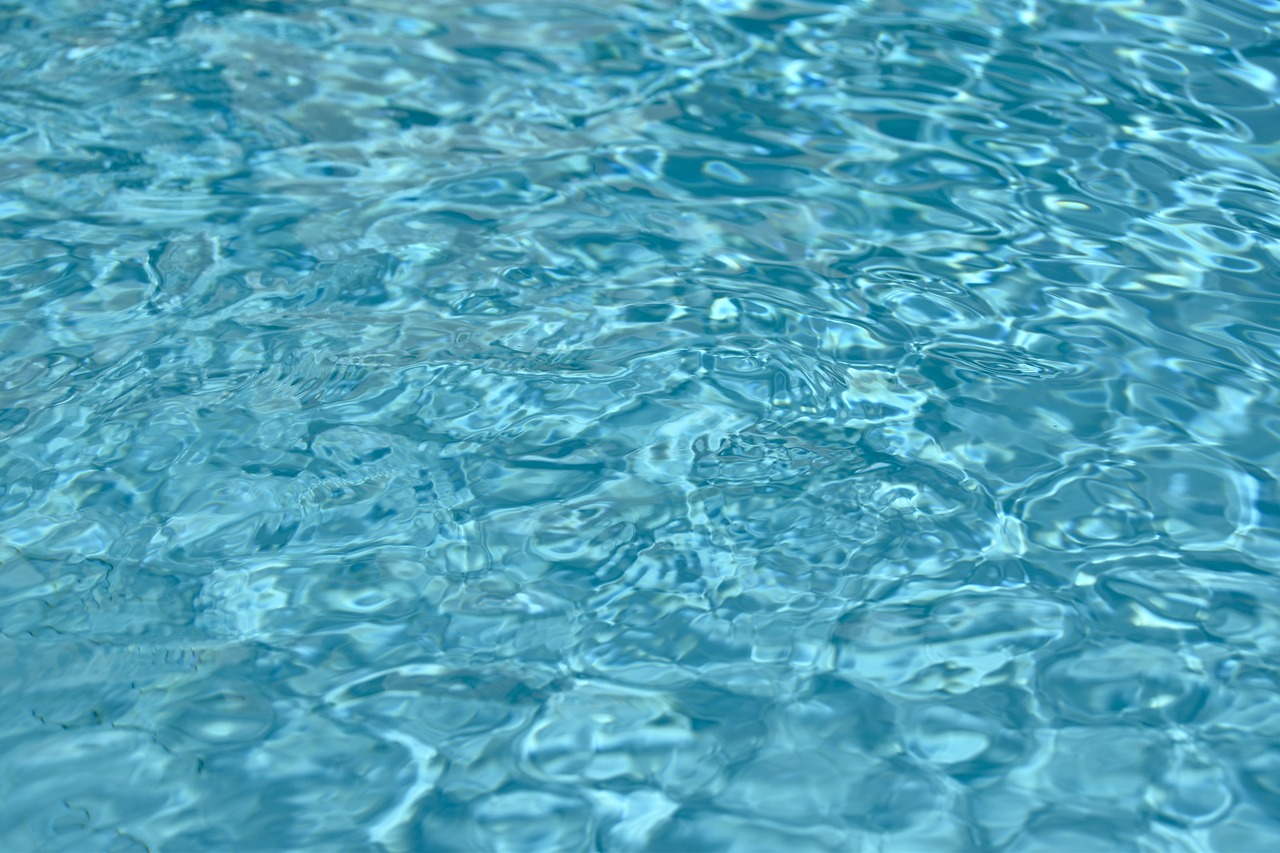
Have you ever stood at the edge of a pool, wondering if it's really safe to jump in? That feeling of doubt can ruin a perfect summer day!
Knowing how to tell if a pool is clean isn't just about enjoying your swim—it's about keeping yourself and your family healthy.
We understand your concerns about pool safety. That's why we've created this simple guide to help you spot the signs of a clean pool instantly.
With these easy checks, you'll feel confident before you even dip a toe in the water!
Why Pool Cleanliness Matters
Before we dive into how to know if a pool is clean, let's talk about why it matters:
According to the Centers for Disease Control and Prevention (CDC), thousands of people get sick each year from contaminated pool water. These illnesses can cause:
Stomach problems
Skin rashes
Ear infections
Eye irritation
A properly maintained pool keeps these risks at bay and makes swimming the joyful experience it should be!
Visual Checks: What a Clean Pool Looks Like
Your eyes are your first and best tool for checking pool cleanliness. Here's what to look for:
1. Check Water Clarity
Look at the pool bottom. Can you clearly see the drain or floor pattern? If not, something's wrong.
Drop a small, bright object (like a coin) into the shallow end. According to Pool Research, you should be able to see it clearly from the deck.
Check for sparkle. Clean water reflects light with a bright, inviting sparkle.
2. Inspect the Water Color
Look for blue, not green or brown. Clean pool water should have a clear blue tint, not a murky green or brown color.
Check for consistency. The color should be even throughout the pool, with no dark patches.
The National Swimming Pool Foundation states that color changes often indicate algae growth or chemical imbalances.
3. Examine Pool Surfaces
Look at the pool walls. They should feel smooth, not slimy or rough.
Check the waterline. A clean pool won't have a grimy ring around the edges.
Inspect corners and steps. These areas often collect debris first.
Smell Test: What a Clean Pool Smells Like
Your nose knows! Use your sense of smell as another important test:
1. Notice the Chlorine Smell
Sniff the air around the pool. A clean pool has a mild chlorine smell, not an overwhelming one.
Beware of strong chemical odors. According to the Water Quality & Health Council, a strong "chlorine smell" actually indicates too many chloramines, which form when chlorine combines with sweat, oils, and urine.
2. Check for Other Odors
Notice any musty smells. These can indicate mold or mildew growth.
Be alert for fishy or swampy odors. These suggest algae problems.
Equipment Check: Signs of Good Maintenance
How do you know if a pool is clean based on the equipment? Look for these clues:
1. Inspect the Skimmer Baskets
Look for clean, empty skimmer baskets. Overflowing baskets mean poor maintenance.
Check if the water level reaches about halfway up the skimmer opening.
2. Listen to the Pump
Listen for the sound of a running pump. According to Energy.gov, pool pumps should run at least 8 hours daily to properly filter water.
Notice unusual noises like grinding or excessive humming, which suggest equipment problems.
Understanding how do swimming pool pumps work can help you spot issues faster — the pump pulls water through the skimmer, pushes it through the filter, and returns clean water back to the pool. If you hear the pump running but don't notice water flowing from the return jets, that mismatch usually points to a clog or filtration problem worth investigating before swimming.
Water Testing: The Scientific Approach
For the most accurate assessment, test the water:
1. Use Test Strips
Purchase pool test strips from a pool supply store or online.
Dip a strip into the water following package directions.
Compare the colors to the chart provided.
The American Chemistry Council recommends these ideal ranges:
Chlorine: 1-3 ppm (parts per million)
pH: 7.2-7.8
Alkalinity: 80-120 ppm
2. Check for Proper Temperature
Use a pool thermometer to check water temperature.
Verify it's between 77-82°F (25-28°C) for recreational swimming. The Red Cross notes this range is comfortable and safe for most swimmers.
Red Flags: When to Stay Out of the Pool
Sometimes the signs are clear that a pool isn't clean. Skip swimming if you notice:
Cloudy or discolored water
Visible algae or scum
Strong chemical smell
Debris floating on the surface
Slimy walls or floor
Non-functioning equipment
No chlorine smell at all (could mean no sanitizer is present)
Public Pool Considerations
When checking public pools, also look for:
Posted inspection certificates. Most health departments require these to be visible.
Attentive lifeguards who monitor water quality.
Clean deck areas and bathrooms. According to the Association of Pool & Spa Professionals, the cleanliness of surrounding areas often reflects pool maintenance standards.
Conclusion
Knowing how to tell if a pool is clean gives you peace of mind and helps protect your health. By checking water clarity, color, smell, and equipment, you can make smart decisions before taking a dip.
We hope these simple steps help you enjoy worry-free swimming all season long! Remember that regular maintenance is key to keeping any pool clean and safe. The next time you're wondering how to tell if a pool is clean, just use these straightforward checks for an instant answer.
If you're in Savannah, Mount Pleasant or Jacksonville check our local service page for pricing.

© 2026 | All Rights Reserved | Privacy Policy