


Does Swimming Pool Water Damage Hair? Complete Protection Guide
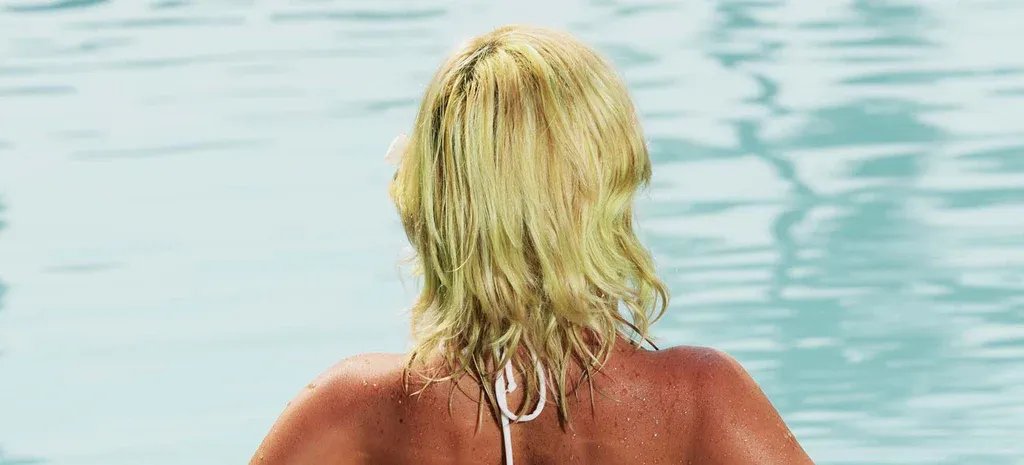
Have you ever stepped out of the pool with your hair feeling like straw? Or noticed your blonde hair suddenly has a greenish tint? You're not alone!
Many swimmers wonder: does swimming pool water damage hair?We understand your concerns. Summer is for enjoying the pool, not worrying about hair damage! You want to swim freely without sacrificing your beautiful locks.
The good news is that with the right knowledge and simple steps, you can protect your hair while still enjoying your favorite swimming activities.
Let's dive into everything you need to know about pool water and hair health!
How Swimming Pool Water Affects Your Hair
The short answer? Yes, swimming pool water damage hair is real. But understanding why helps you prevent problems.
What Causes Pool Water to Damage Hair?
Chlorine: The main culprit in most pools
Salt: Present in saltwater pools
Copper: Often found in pool water, especially older pools
High pH levels: Most pools have alkaline water
Interestingly, the presence of copper often ties back to how pools are built in the first place — older pools with copper piping or heating components can leach trace amounts of the metal into the water over time, which is part of why vintage pools tend to cause more noticeable green tinting in light-colored hair than newer builds using modern, corrosion-resistant materials.
According to the American Academy of Dermatology, chlorine strips away your hair's natural oils, leaving it dry, brittle, and more prone to breakage.
The International Swimming Hall of Fame notes that competitive swimmers often face more significant hair challenges due to their frequent exposure to pool chemicals.
Signs That Pool Water is Damaging Your Hair
How do you know if swimming pool chlorine damage hair is happening to you? Look for these warning signs:
Dry, brittle texture
Increased breakage and split ends
Color changes (especially green tints in blonde hair)
Difficulty managing or detangling
Itchy, flaky scalp
Hair that feels "gummy" or stretchy when wet
If you notice these signs, don't worry! Our protective steps will help reverse and prevent further damage.
7 Simple Steps to Protect Your Hair from Pool Water
Follow these steps to keep your hair healthy even if you swim regularly:
1. Wet Your Hair Before Swimming
Rinse your hair thoroughly with clean water.
Apply conditioner to damp hair (leave-in works best).
Cleveland Clinic dermatologists explain that pre-wetting your hair helps it absorb less chlorinated water, reducing potential damage.
2. Wear a Swimming Cap
Choose a silicone cap rather than latex for less pulling.
Cover all hair completely under the cap.
Apply a small amount of conditioner before putting on your cap.
According to USA Swimming, proper swim caps not only protect your hair but also improve swimming performance!
3. Rinse Immediately After Swimming
Rinse your hair thoroughly with clean water right after exiting the pool.
Use cool or lukewarm water rather than hot water.
Pay special attention to your hairline and roots.
The Centers for Disease Control and Prevention (CDC) recommends showering after swimming for overall hygiene, which helps your hair too!
4. Use a Swimmer's Shampoo
Wash with a specialized swimmer's shampoo designed to remove chlorine.
Focus on your scalp and work the lather through your ends.
Rinse completely until water runs clear.
Swimmers World Magazine rates clarifying and swimmer's shampoos as essential for regular swimmers.
5. Deep Condition Regularly
Apply a deep conditioning mask 1-2 times per week.
Leave it on for at least 10 minutes (or follow package directions).
Rinse with cool water to seal the cuticle.
6. Protect from Sun Exposure
Use hair products with UV protection when swimming outdoors.
Wear a hat when not in the water.
Reapply UV protection spray throughout the day.
The Skin Cancer Foundation warns that UV rays can compound the damage from pool chemicals.
7. Create a Barrier Before Swimming
Apply coconut oil to dry hair before swimming.
Focus on the ends of your hair, which are most vulnerable.
Comb through to distribute evenly.
Special Care for Different Hair Types
Can pool water damage your hair more if you have certain hair types? Yes! Here's specific advice:
For Blonde or Light-Colored Hair
Use special "anti-green" shampoos
Try a chelating treatment monthly
Consider a vinegar rinse (1 part vinegar to 4 parts water) after swimming
For Curly or Textured Hair
Apply extra conditioner before swimming
Use a wide-tooth comb for detangling after swimming
Consider protective styles like braids for frequent swimmers
For Color-Treated Hair
Wait 72 hours after coloring before swimming
Use color-protecting products with UV filters
Consider temporary bright colors that won't show green tints
Emergency Fixes for Chlorine Damage
If swimming pool chlorine damage hair has already happened, try these quick fixes:
For Green Tints:
Mix 1/4 cup baking soda with enough water to form a paste.
Apply to affected areas and leave for 5-10 minutes.
Rinse thoroughly and follow with conditioner.
For Extreme Dryness:
Apply a hair oil treatment (argan, coconut, or olive oil work well).
Cover with a shower cap and leave overnight.
Shampoo in the morning with a gentle cleanser.
Harvard Health Publishing notes that natural oils can help restore moisture to damaged hair.
Pool Alternatives That Are Better For Your Hair
If you're concerned about does swimming pool water damage hair, consider these alternatives:
Ocean swimming (though salt water has its own challenges)
Swimming in natural freshwater lakes
Using mineral-treated pools with lower chlorine levels
Swimming in pools that use UV or ozone purification systems
Conclusion
Now you know the truth: does swimming pool water damage hair? Yes, it can - but you have all the tools to prevent that damage! With these simple protective steps, you can enjoy swimming while keeping your hair healthy and beautiful.
Remember that consistency is key. Follow these protective measures every time you swim, and you'll see a dramatic difference in how your hair looks and feels.
Have you noticed improvements after trying these tips? We'd love to hear your experience with preventing swimming pool water damage hair in the comments below!
If you're in Clearwater, Tampa or Orlando check our local service page for pricing.

© 2026 | All Rights Reserved | Privacy Policy