


Do Robotic Pool Cleaners Really Work? The Complete Truth
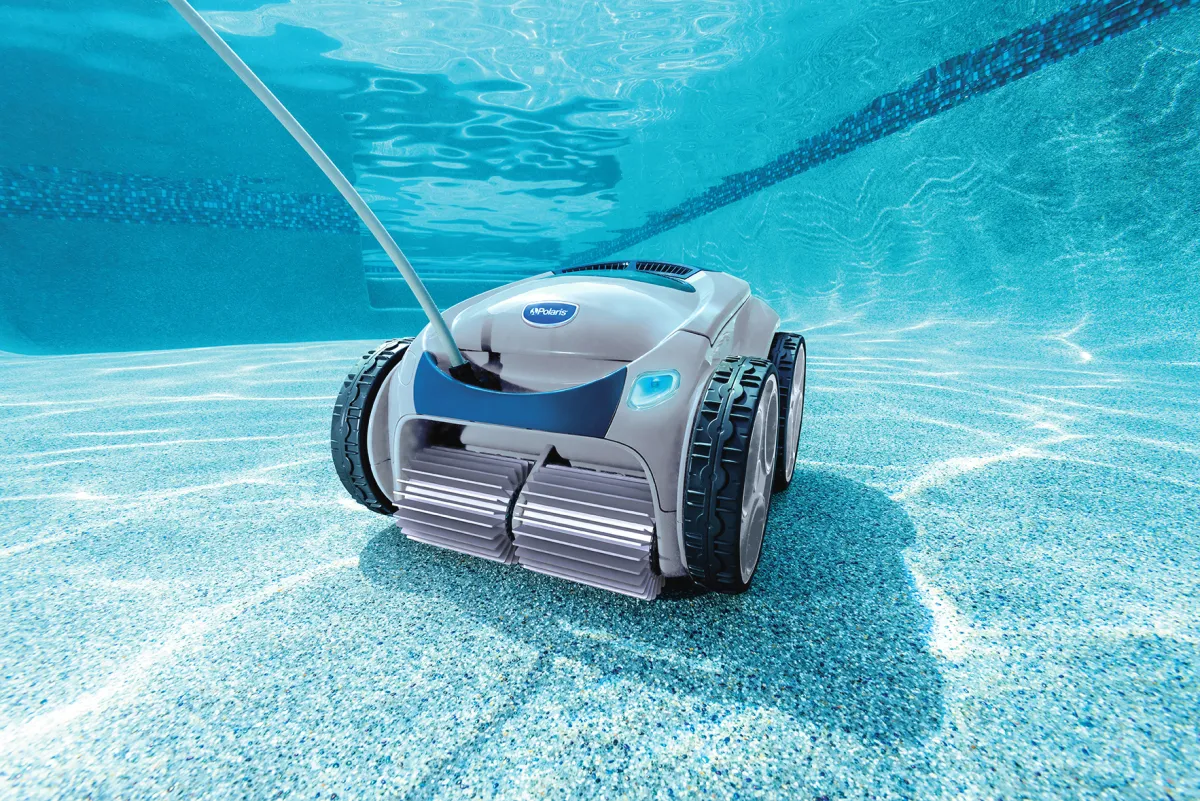
Have you ever stared at your swimming pool, skimmer in hand, and thought "There must be a better way"? You're definitely not alone! Many pool owners wonder: do robotic pool cleaners really work, or are they just another expensive gadget that doesn't live up to the hype?
We understand the struggle of keeping your pool clean. Between skimming leaves, scrubbing walls, and vacuuming the bottom, pool maintenance can eat up your precious weekend hours.
In this article, we'll dive into the truth about robotic pool cleaners, how they work, and whether they're worth your hard-earned money. Let's make your pool cleaning decisions much easier!
How Robotic Pool Cleaners Work
First, let's understand what these little machines actually do.
The Basics of Pool Robots
Robotic pool cleaners are self-contained units that:
Run on electricity (usually low voltage)
Have their own filter systems
Move independently around your pool
Scrub, vacuum, and filter in one process
Unlike suction or pressure cleaners, robotic models don't rely on your pool's pump or filter. According to Pool Research, this makes them more efficient and effective at cleaning.
The Technology Behind Them
Modern pool robots use surprisingly advanced technology:
Smart navigation systems that map your pool
Powerful motors that create strong suction
Rotating brushes that scrub surfaces clean
Fine filters that trap even tiny particles
Programmable timers so you can "set and forget"
Consumer Reports testing shows that the best models can clean an entire pool in just 2-3 hours without any human help.
Do Robotic Pool Cleaners Work? The Evidence
So do robotic pool cleaners work as advertised? Let's look at what they can actually clean:
What They Clean Well
Pool floor Robots excel at vacuuming the bottom of your pool, removing dirt, sand, and small debris.
Walls and waterline Most models climb walls and scrub the waterline where oils and sunscreen collect.
Stairs and corners Better models navigate stairs and corners effectively.
Fine particles Their built-in filters capture tiny particles your pool's main filter might miss.
The Association of Pool & Spa Professionals reports that robotic cleaners can remove up to 99% of debris from a typical residential pool.
What They Struggle With
No cleaning solution is perfect. Here are some limitations:
Large leaves and debris: Some robots have small collection baskets that fill quickly during heavy leaf seasons.
Very large pools: Budget models may take longer for pools over 50 feet long.
Extremely steep slopes: Some economy models struggle with very steep transitions.
Types of Robotic Pool Cleaners
Not all pool robots are created equal. Here are the main types:
Entry-Level Models ($300-600)
These basic robots offer:
Floor cleaning only (some wall climbing)
Basic navigation patterns
Smaller debris collection capacity
Fewer features and programs
Mid-Range Models ($600-900)
These popular options provide:
Floor and wall cleaning
Improved navigation systems
Larger debris containers
Some smart features like scheduling
Premium Models ($900-1500+)
These top-tier robots include:
Complete cleaning (floor, walls, waterline)
Advanced navigation with mapping
Remote control via smartphone apps
Multiple cleaning modes
Energy efficiency features
According to Swim University, investing in at least a mid-range model provides the best balance of performance and value.
How to Choose the Right Robotic Pool Cleaner
If you're convinced that robotic cleaners work, here's how to select the right one:
Measure your pool size Choose a model rated for your pool's length and shape.
Consider your pool surface Some robots work better on specific surfaces (vinyl, concrete, fiberglass, etc.).
Evaluate your debris type If you have lots of leaves, look for larger collection baskets.
Check cord length Ensure the power cord is long enough for your pool.
Review cleaning cycles Faster isn't always better - some quick cycles may miss spots.
Compare warranty coverage Look for at least 2 years of warranty protection.
Using Your Robotic Pool Cleaner Effectively
Once you've chosen your robot, follow these steps to maximize its effectiveness:
Step 1: Prepare Your Pool
Remove large debris Skim out large items like branches or toys.
Check water chemistry Maintain proper pH and chlorine levels for best results.
Clear the pool Make sure no swimmers are in the water.
Step 2: Set Up Your Robot
Can pool water damage your hair more if you have certain hair types? Yes! Here's specific advice:
Unbox and assemble Follow manufacturer instructions for any required assembly.
Untangle the cord Lay the power cord out straight to prevent tangling.
Connect to power Plug into the supplied transformer (not directly into household outlets).
Step 3: Program and Start
Select cleaning mode Choose the appropriate cycle for your needs.
Place in pool Gently place the robot in the water and let it sink to the bottom.
Watch initial movement Ensure it begins moving correctly.
Step 4: Maintenance
Clean the filter after each use Rinse filters with garden hose after every cleaning cycle.
Empty the collection basket Remove collected debris when cleaning is complete.
Store properly Keep the unit out of direct sunlight when not in use.
Pool Magazine emphasizes that regular maintenance of your robot will significantly extend its life and effectiveness.
Are They Worth The Investment?
When answering do robotic pool cleaners work, we must consider the value proposition:
Are They Worth The Investment?
Initial investment: $300-1500 depending on model
Electricity cost: $0.05-0.15 per cleaning cycle
Replacement parts: $50-200 per year (filters, brushes)
Compare this to:
Professional cleaning: $75-150 per visit
Your time value: Several hours per week of manual cleaning
Water and chemical savings: Better filtration can reduce chemical needs
If you've ever wondered why are swimming pools so expensive to own overall, ongoing maintenance costs like professional cleaning services are actually a big part of that picture — which is exactly why a one-time robotic cleaner investment can pay for itself within the first year or two for many pool owners.
Customer Satisfaction
According to Pool Advisor, over 85% of robotic pool cleaner owners report high satisfaction with their purchase after one year.
Conclusion
So, do robotic pool cleaners really work? The evidence overwhelmingly says yes! While no automated system is perfect, today's robotic pool cleaners offer impressive cleaning performance that can dramatically reduce your pool maintenance time.
By choosing the right model for your specific pool and needs, you can enjoy a consistently clean pool with minimal effort. The technology has improved tremendously in recent years, making these robots more reliable and effective than ever before.
If you're tired of manual pool cleaning and looking for a solution that actually works, a robotic pool cleaner is definitely worth considering. Your weekends will thank you!
Still wondering if do robotic pool cleaners really work for your specific situation? Consider consulting with a local pool professional who can recommend the perfect model for your unique pool.
If you're in Scottsdale, Tucson or Phoenix check our local service page for pricing.

© 2026 | All Rights Reserved | Privacy Policy