


Why Installing a Saltwater Pool Is a Smart Choice
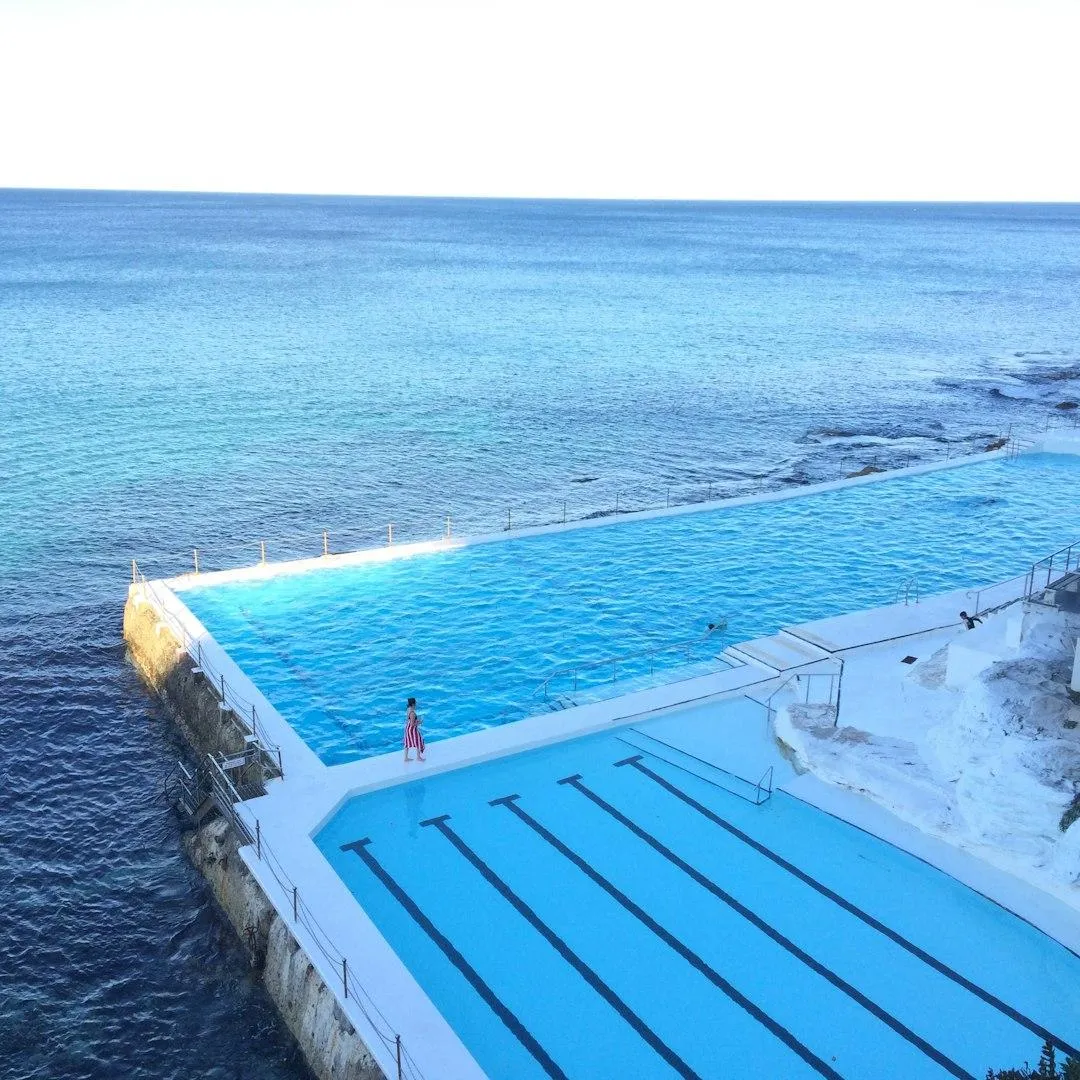
Have you ever gotten out of a pool with stinging eyes and itchy skin? You're not alone! Many pool owners are discovering the amazing benefits of installing a saltwater pool in their backyard.
We're here to show you why a salt water swimming pool might be the perfect choice for your family.
Let's dive into the refreshing world of saltwater pools and explore how they can transform your swimming experience.
Why Consider a Saltwater Pool System?
When you think about salt water, you might picture the ocean. But a pool salt system is very different! The pool salinity is much lower than seawater, making it gentle on your eyes and skin.
Here's what makes saltwater pools special:
They use a swimming pool salt water system to create natural chlorine
The water feels silky-smooth on your skin
They're easier on your eyes and swimsuits
You'll spend less time maintaining the pool
The water has a softer, more natural feel
There's no strong chlorine smell
Sounds good, right? Now, let's get to the good stuff!
The Science Behind Salt Water Pools
Your salt water pool works through a process called electrolysis. According to the Association of Pool & Spa Professionals, the system turns regular salt into chlorine, keeping your pool clean naturally.
The average pool salinity is only about 3,000 parts per million. Compare that to ocean water, which has about 35,000 parts per million! This means your pool will have just enough salt to keep it clean without tasting salty.
The process works like this:
Salt dissolves in your pool water
Water passes through the chlorinator cell
Electricity converts salt into chlorine
Chlorine sanitizes the pool
The chlorine converts back to salt, starting the cycle again
Health Benefits of Swimming in Saltwater
We love how gentle saltwater pools are on your body. Research from WebMD shows several health benefits:
Less skin irritation and dryness
Reduced eye redness and irritation
Fewer allergic reactions to chemicals
Better breathing for asthma sufferers
Natural exfoliation for your skin
Improved relaxation and stress relief
Better muscle recovery after exercise
Reduced inflammation in joints
When people ask what is the healthiest pool system, saltwater is usually the first recommendation for exactly these reasons — the lower chemical load and gentler sanitization process make it a strong choice for households with sensitive skin, allergies, or respiratory concerns, though it's worth noting no system is entirely chemical-free.
Many swimmers report feeling more energized and refreshed after swimming in a salt water pool compared to traditional chlorine pools.
Cost Benefits Over Time
Installing a salt water swimming pool might cost more upfront, but you'll save money in the long run. Here's how:
Less chemical purchases needed
Lower maintenance costs
Reduced equipment wear
Longer-lasting pool water
Fewer service calls required
Less frequent water replacement needed
Reduced electricity costs
Lower annual operating expenses
According to HomeAdvisor, while a traditional pool costs about $600-800 annually in chemicals, a pool salt system typically costs only $70-100 per year in salt. Over a five-year period, this could save you thousands of dollars!
Environmental Benefits
Your salt water pool is better for the environment too! Here's why:
Fewer harsh chemicals needed
More natural sanitization process
Less chemical packaging waste
Reduced carbon footprint from chemical transportation
Better for local ecosystems
Lower water waste
Fewer chemical byproducts
More sustainable long-term operation
Maintenance Made Easy
One of the biggest benefits of installing a saltwater pool is the simple maintenance routine:
Check salt levels monthly using a testing kit
Inspect the salt cell every 3 months for calcium buildup
Clean the cell twice per year or as needed
Test water balance weekly using standard pool strips
Add salt only when needed (usually 2-3 times per season)
Brush pool walls weekly to prevent algae
Empty skimmer baskets regularly
Maintain proper water level
This simplified maintenance schedule means more time enjoying your pool and less time working on it!
Common Questions About Saltwater Pools
You might be wondering:
Will it taste like the ocean? No! The pool salinity is so low you won't even notice it.
Will it rust my equipment? Modern pool salt systems are designed to protect your equipment.
Is it safe for kids? Yes! Many families prefer salt water swimming pools because they're gentler on sensitive skin.
Does it work in cold weather? Yes, though you may need to adjust the chlorinator settings seasonally.
Will it affect my landscaping? With proper installation and maintenance, your plants should be fine.
Tips for Success with Your Saltwater Pool
We want you to get the most out of your pool salt system:
Keep salt levels steady between 2700-3400 ppm
Run the system daily during swimming season
Clean the salt cell regularly to prevent calcium buildup
Monitor pH levels weekly
Cover the pool when not in use
Maintain proper water balance
Keep the cell free from debris
Install a quality pool cover
Making the Switch
If you're thinking about installing a saltwater pool or converting your existing pool, here's what you need to know:
Professional installation is recommended for best results
The conversion process takes 1-3 days typically
Most existing pools can be converted successfully
You'll need a compatible salt chlorinator system
Regular maintenance is still important
Consider your local climate and regulations
Choose the right size system for your pool
Plan for proper drainage and equipment placement
Conclusion
The benefits of installing a saltwater pool are clear: better water quality, easier maintenance, and a more enjoyable swimming experience for your whole family. From the gentle feel of the water to the reduced maintenance costs, a swimming pool salt water system offers advantages that make it an excellent choice for most homeowners.
Ready to dive into the world of saltwater pools? Talk to a local pool professional about making the switch today!
If you're in Savannah, Mount Pleasant or Jacksonville check our local service page for pricing.

© 2026 | All Rights Reserved | Privacy Policy